
The third Sunday in Advent is called ‘Gaudete’ (‘Rejoice’) Sunday. Jesus became Man, one with us, ‘for us and for our salvation.’ We are preparing for his coming and he is near. This makes us rejoice and shout with joy on this Gaudete Sunday. The vestments are not sombre purple but rose pink; the rose-pink Advent Candle is lit to signify this joy.
The Introit says, “Rejoice in the Lord always; again I say, rejoice. Indeed, the Lord is near.” (Phil 4:4-5)
The Gospel Reading (Mt 11:2-11) is rich and complex and this is not the place for a deep discussion. However, we shall focus on a question, “Are you the One who is to come or are we to wait for another?”
John the Baptist is the first prophet to appear in Israel since Micah 450 years ago. No wonder people flocked to him. Surely the Messiah is near.
John has given up his priestly status, power, wealth and the glory of serving God in the Temple. Instead, he has devoted his entire life and energy to follow God’s call in a radical way. He has staked his whole life that he is called to prepare a people for the Messiah and the coming of God’s Kingdom.
So, he lives in the wilderness, preaches to common folk in the Judean desert and baptizes them in the River Jordan near Jericho. He knows he is not the One, but the herald; the servant, not the master; his water baptism must give way to baptism of “Spirit and fire”. The result of his faithfulness - prison. He will be beheaded shortly.
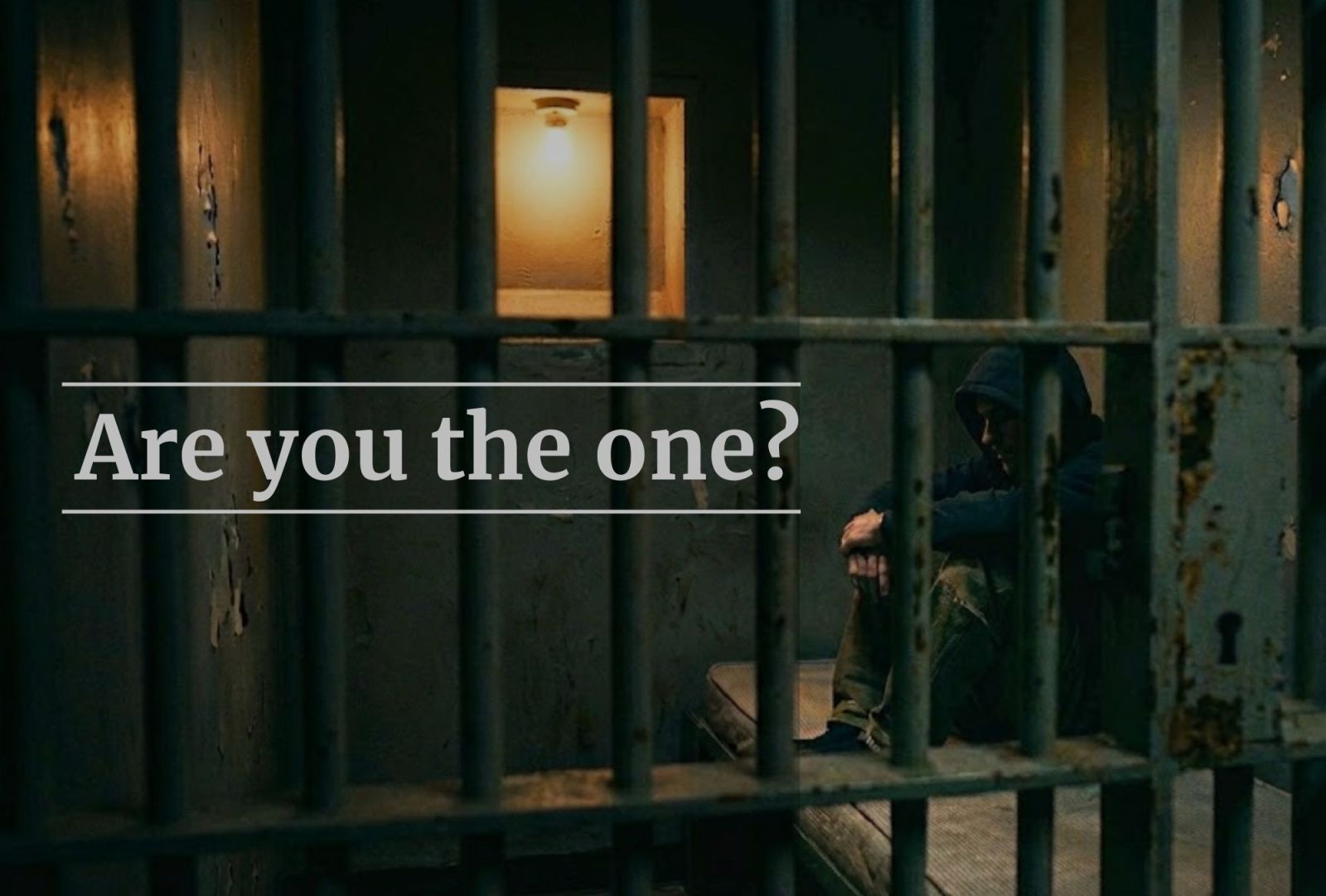
He has been thrown into prison by Herod Antipas for condemning his immorality. Alone, helpless, uncertain, confused, and perhaps feeling that he has failed, John’s cry is a matter of life or death, “Are you the One who is to come or are we to wait for another?”
What he is also questioning is the value of his life. Have I been misled? Have I wasted my time? Has it been worthwhile? Where is God now? In this state of mind, he sends his disciples to ask Jesus, “Are you the One who is to come or do we look for someone else?”
Jesus' reply is equally specific, but he does not give a “Yes/No” answer. Instead, he uses the midrash technique where John must make sense of the information Jesus sends.
Jesus uses Isaiah’s prophecy of Messianic times (the First Reading). ‘You tell John’ that the good news for life is being fulfilled now; the lame walk, the blind see, lepers are cleansed. Then he adds something beyond Isaiah, ‘the dead are raised to life, and the Good News is proclaimed to the poor.’
Here is nothing spectacular. John has heard the stories. Very ordinary. Jesus' salvation is not show, but service: not fanfare but the transformation of persons, inner and outer wholeness, freedom from their own prisons. God serves.
‘Are you the One?’ has another focus. Jesus says, ‘Blessed is he who does not lose faith in me’. He is at the centre, the pivot of salvation, the One who is for us. His answer to John is definite: Yes. The Messianic era is being fulfilled in Jesus now.
John, looking out from his prison bars, receives this reply, and he must now process the information, reflect and transform his sense of the Messiah and of God, and see his own role in making this happen. This makes everything worthwhile, and brings certainty, joy and peace.
Like John, so too must we. What does this passage say to you and me in our own particular circumstances of un-freedom?
(Ironically, according to John of the Cross, when we reach a stage of darkness in our spiritual journey, it means that God is in fact drawing us even closer, and freeing us from the old, transforming us. We must shed the old before we put on the new. But it is painful.)
A Way to Pray Scripture
If you wish to pray scripture to help your growth, here are some suggestions:
In time this way of reading on scripture brings about a slow growth and transformation.